20 Years of Art, Remediation, & Regeneration
at Los Angeles State Historic Park
Lauren Bon and the Metabolic Studio: 2005-2025
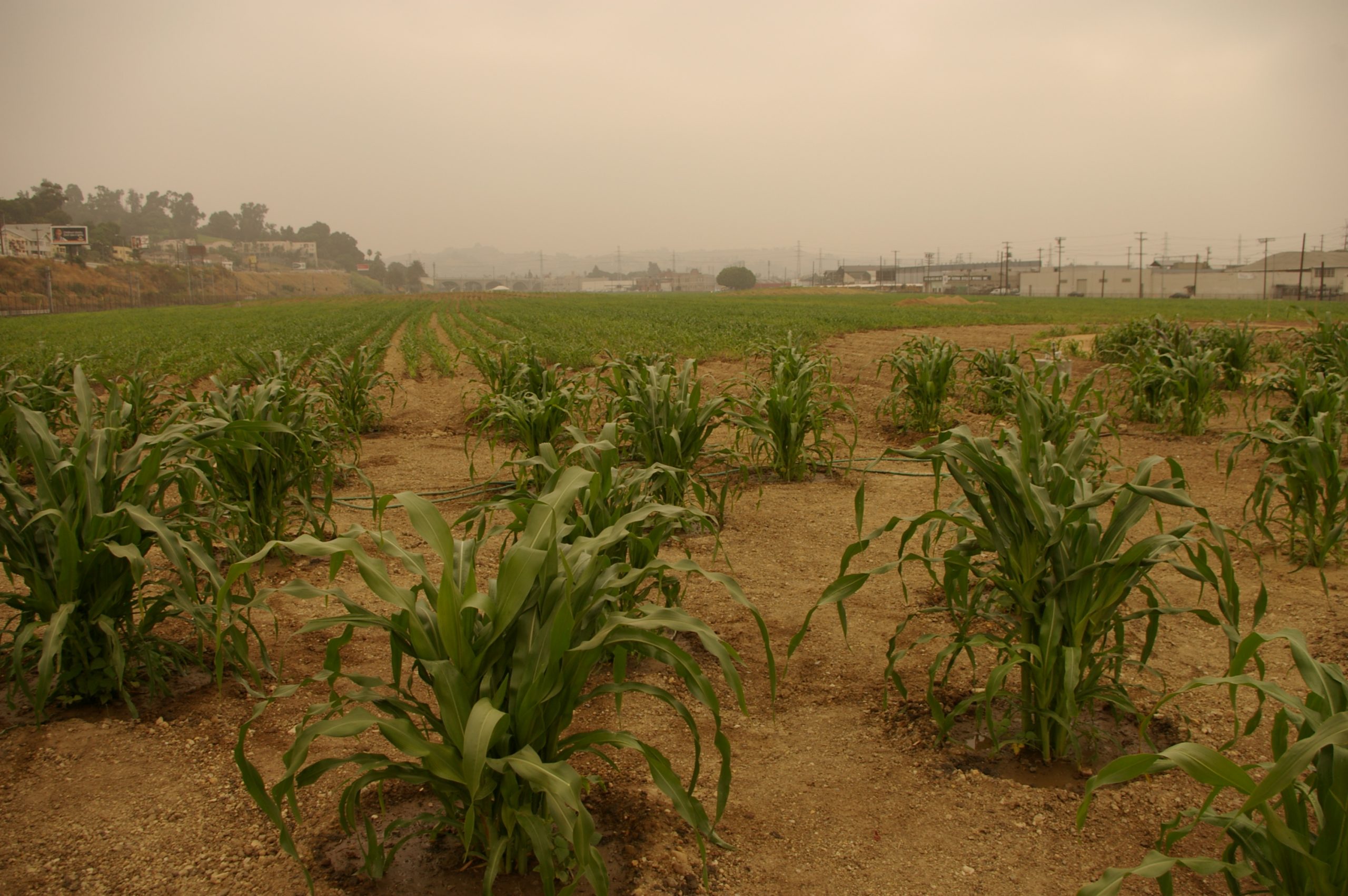
In 2005, artist Lauren Bon planted a field of corn on the grounds of the former Southern Pacific train yard—land once part of the unbridled floodplain of the Los Angeles River. That project, Not A Cornfield, was never simply about agriculture. It was an act of remediation.
The corn, planted across 32 acres of compacted, contaminated soil, helped detoxify the site and catalyze its transformation into what is now Los Angeles State Historic Park. But Not A Cornfield was also a cultural intervention: each week, the field came alive with salons, performances, and public gatherings that invited Angelenos into dialogue about land, belonging, memory, and possibility. These weekly rituals helped set the tone for what would become the park’s enduring Art in the Park programming.
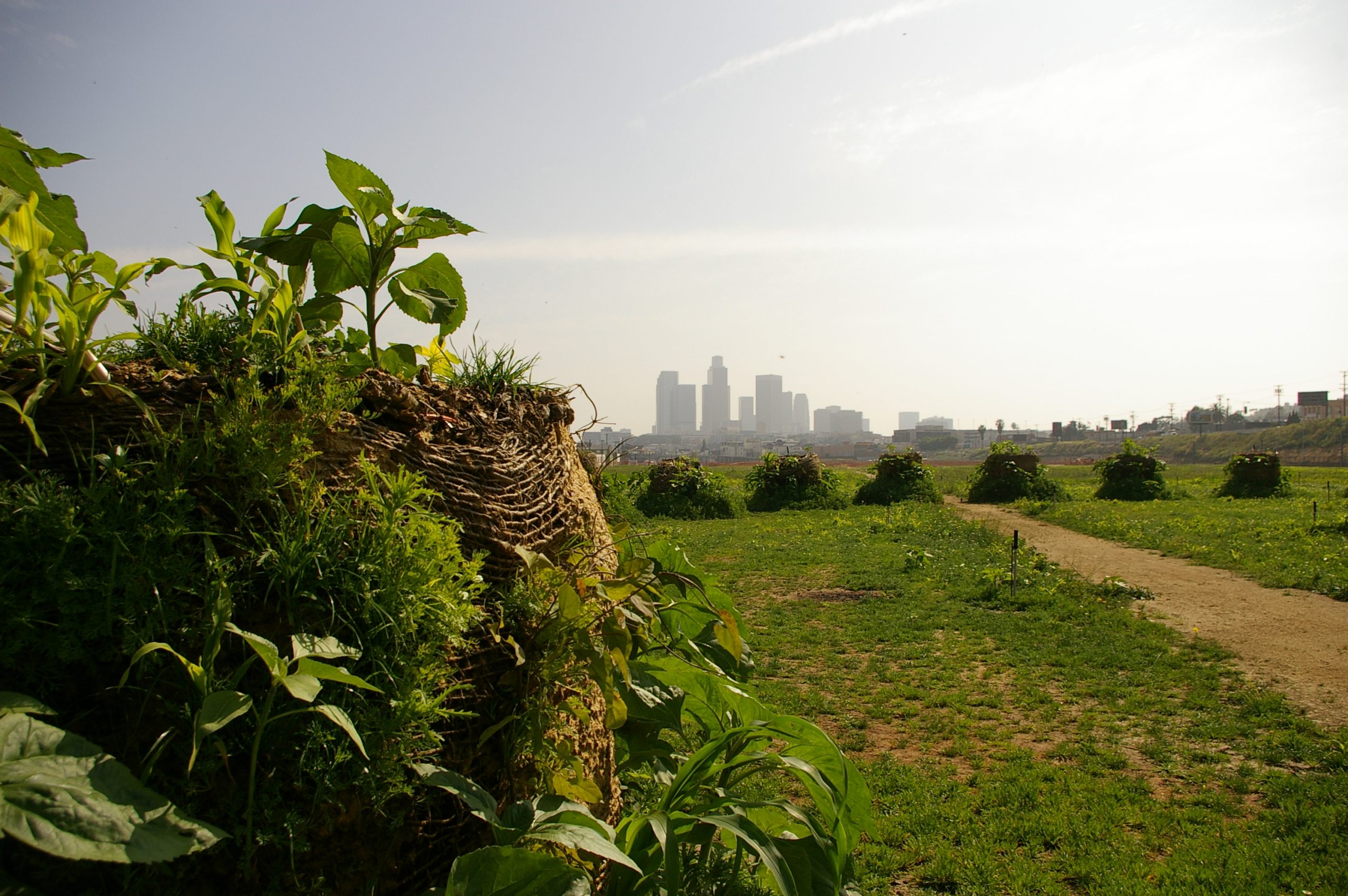
From 2006 to 2013, the site became home to The Anabolic Monument—a one-acre sculptural compost system installed on the park’s north end, while the southern portion was used as an “interim use” green space for public enjoyment. This monument was not static or commemorative; it was alive. It transformed waste from the corn harvest into nutrient-rich soil, embodying the principle that nothing is inert—everything can be returned, re-circulated, made fertile. It was abundant, adaptive, and deeply ecological.
A lasting legacy from this period is the emergence of Farmlab, Metabolic Studio’s field station for ecological and cultural inquiry. One of Farmlab’s most transformative practices, Everything is Medicine, was initiated at the Anabolic Monument by Olivia Chumacero. Rooted in Indigenous knowledge systems, Olivia’s teachings reconnected the public to native plants and the land’s regenerative capacities. Her work continues to shape how both Metabolic Studio and the park center Traditional Ecological Knowledge (TEK)—cultivating new understandings of care, kinship, and reciprocity.
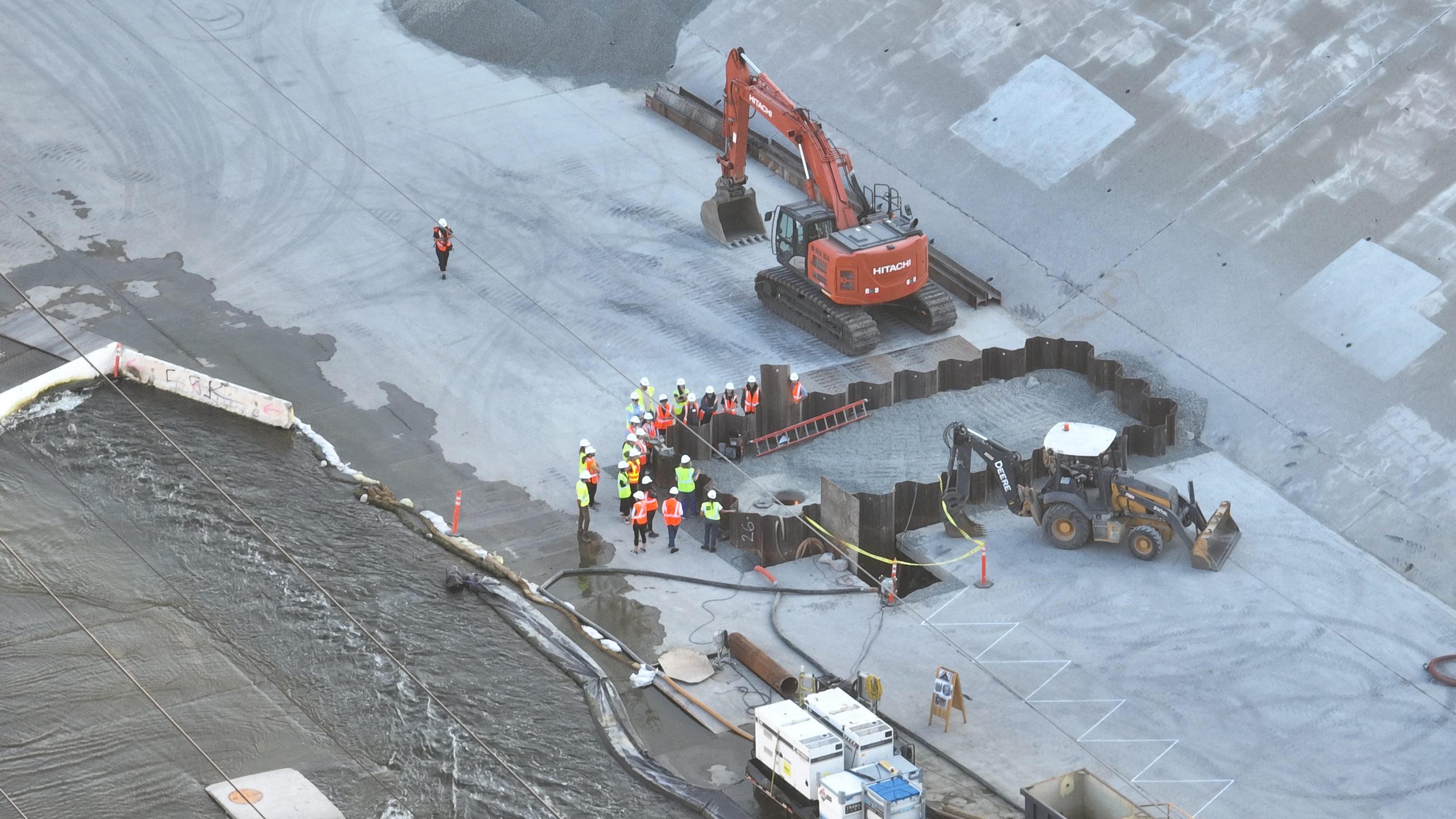
Currently, Metabolic Studio’s ongoing project Bending the River (2010–present) builds on this foundation. Designed to divert, treat, and return water from the Los Angeles River to the land surrounding the park, Bending the River is both a sculptural work and a public utility. It represents a quiet but profound act of reparation—restoring flow and connectivity where it was once severed. The project is rooted in two decades of place-based engagement, long-term trust-building, and infrastructural imagination.
We are deeply grateful for the public-private partnerships, community members, artists, and Indigenous leaders who have shaped this collective journey. Together, we continue to ask:
How can art help us remember what the land once was—and imagine what it could become?